vineri, 14 mai 2010

In cautarea stilului suprem: Muay Thai


Muay Thai - pregatire de top

Urmatorul popas pentru reporterul Mens Health, aflat in cautarea stilului suprem de arte martiale, este o sala de Muay Thai. Si nu oricare, ci una care produce campioni: Respect Gym.
Aici sunt pregatiti de antrenorii Alin Panaite si Alexandru Amarfei luptatori precum Ionut Atodiresei, Andrei si Adrian Buda, Alexandru Nedelcu s.a. Dupa ce au fost rezervate doar sportivilor profesionisti, antrenamentele sunt deschise acum si publicului larg. Reporterul nostru a fost insa invitat sa se pregateasca alaturi de cei care lupta in competitii.
Muzica thailandeza rasuna in sala. E primul indiciu ca antrenamentul incepe. Fiecare sportiv se incalzeste separat. Dupa aproximativ 20 de minute, Panaite ii grupeaza pe perechi si le explica ce trebuie sa lucreze. Reporterul MH primeste sarcina de a lovi sacul in combinatia pumn-genunchi: directa de dreapta urmata de o lovitura cu genunchiul drept. sacul pare greu de clintit. in jurul sau, luptatorii izbesc sacii, iar zgomotul produs
acopera muzica din fundal.
Trebuie sa rotesti mai mult trunchiul la lovituri, este sfatul pe care il primeste reporterul de la Amarfei. Dupa cateva minute lucrurile se schimba. Forta loviturilor e ceva mai mare. Acum se trece la exercatiile cu partener. Unul loveste, celalalt blocheaza si riposteaza cu o lovitura joasa de picior. Toti sportivii folosesc protectii pentru tibii. Cu toate acestea, loviturile biciuite tintesc pulpa adversarului si lasa urme.
Cateva astfel de lovituri si omul nostru anunta solemn ca doreste sa ia o pauza. Finalul antrenamentului aduce insa partea de lupta, cunoscuta si ca sparring. Reporterul MH este invitat in ring. Isi aduce aminte de impactul provocat de intilnirea dintre cot si sac, de loviturile bicuite peste tibii sau de sunetul infundat provocat de manusi. Refuza politicos. Mai sunt totusi cateva reportaje care il asteapta... intreg.

Din ring, la spital

Cu greu poate fi gasit un stil de lupta, fara arme, mai dur ca Muay Thai-ul. Cunoscut si ca ,,box thailandez" sau ,,arta celor 8 arme", stilul foloseste loviturile de pumn, cot, genunchi si picior pentru a scoate adversarul din lupta. Forta aplicata acestor lovituri este data de cele mai multe ori prin rotirea trunchiului.
De altfel, duritatea competitiilor de Muay Thai a cunoscut o perioada in care luptatorii aveau pumnii infasurati cu sfori deasupra carora se lipeau cioburi de sticla.
Vremurile acelea au apus, insa in continuare sunt multe cazuri in Thailanda cand, la finalul unui meci, unul sau ambii sportivi ajung direct
la spital. Aceste atribute, alaturate unei lupte aproape perfecte in picioare, au dus la abordarea stilului si pentru luptatorii din MMA, competitii cu reguli reduse, ce permit si lupta la sol. Acestia se pregatesc in majoritatea cazurilor pentru lupta in picioare in Muay Thai.

Istorie

Muay Thai-ul se impleteste cu istoria Thailandei. Multe arte martiale, precum Aikido, Karate sau Taekwondo, sunt considerate a fi antice, insa nu au o istorie mai veche de 100 de ani. Nu este si cazul Muay Thai-ului, a carui dezvoltare s-a facut pe mai mult de 2.000 de ani, ca forma de aparare a thailandezilor in fata diferitelor agresiuni.
Regele Naresuan cel Mare, unul dintre cei mai celebri conducatori ai Thailandei, era, la rindul sau, un impatimit practicant al stilului si a decretat ca acesta sa faca parte din pregatirea militarilor.
Cu timpul, arta martiala a devenit ,,sport national", iar competitiile de gen au inceput sa umple stadioanele din intreaga tara. Regulile au devenit mai putin permisive, iar instructori de Muay Thai au calatorit catre toate colturile lumii pentru a deschide sali.
In 1997, a fost creat in Thailanda ,,Institutul de Muay Thai", acreditat de Ministerul Educatiei, si care, alaturi de ,,Consiliul Mondial de Muay Thai", infiintat in 1995, are rolul de a promova stilul
in lume.

Rupe-l in clinci!

Daca nu te-au convins meciurile din K-1, ti-o spunem si noi: o pozitie dominanta in lupta de aproape poate decide soarta unei infruntari. Iar luptatorii de Muay Thai sunt specialisti in asa ceva. in majoritatea stilurilor de lupta, atunci cand cei doi sportivi ajung in clinci, sunt separati de arbitru.
Tocmai
de aceea nici nu se pregatesc specific pentru astfel de situatii. in Muay Thai, o parte importanta a pregatirii este cea pentru clinci. Aceasta este situatia in care loviturile de genunchi sunt aplicate cel mai des si pot fi frontale - unele care tintesc plexul, figura etc. - sau laterale, care vizeaza coapsele, ficatul sau rinichii.

Cum sa folosesti clinciul

  1. Impreuneaza palmele peste ceafa adversarului si fixeaza-ti coatele cat mai apropiate unul de celalalt, in pieptul sau.
  2. Trage de capul sau in jos pentru a putea sa-l ataci mai usor cu o lovitura de genunchi in figura.
  3. Dezechilibreaza-l constant. Cu cat adversarul este mai preocupat sa-si pastreze echilibrul, cu atit este mai vulnerabil. Mai mult decat atit, printr-o dezechilibrare puternica il poti trimite la pamant.
  4. Variaza loviturile. Loveste atit cu genunchii, cat si cu coatele, dupa ce ai creat putin spatiu intre voi.

Punctele slabe

Fata de multe arte martiale traditionale, Muay Thai este un stil care evolueaza prin diversitatea antrenamentelor pe care le fac practicantii sai. Daca pana recent una dintre hibele sale erau loviturile de brat, acum lucrurile s-au schimbat.
Cel mai bun exemplu in acest sens este progresul inregistrat de cunoscutul luptator din K-1 Max Buakaw Por Pramuk, care a inceput sa-si atace adversarii cu lovituri surprinzatoare de brat. Fiind eminamente un stil in care se pune accentul pe lupta in picioare, Muay Thai-ului ii lipseste partea de lupta la sol.

5 motive pentru a practica stilul

  • Vei avea un mijloc de autoaparare de temut. Loviturile sunt extrem de puternice, formatul antrenamentelor, care contine partea de sparring, este realist, iar lupta in clinci este perfecta pentru situatiile in care agresorul incearca sa te tranteasca la pamant.
  • Iti vei antrena toti muschii. Diversitatea exercatiilor: fara adversar (lupta ,,cu umbra"), la sac, la palmare sau cu adversar te va face sa-ti folosesti la intensitate maxima fiecare particica a corpului.
  • Arzi o multime de calorii. Reporterul MH poate confirma: antrenamentul desfasurat in sala de Muay Thai i-a adus cele mai istovitoare doua ore din viata


    sa.
  • Vei avea un abdomen de invidiat. Nu exista luptatori de Muay Thai cu burtica! De ce? Pe linga intensitatea antrenamentelor, toate loviturile implica folosirea din plin a muschilor abdominali. Orice lovitura genereaza forta prin contractia partii mediane a corpului.
  • Dobindesti flexibilitate. Pentru a lovi capul unui adversar cu piciorul ai nevoie de o mobilitate de invidiat. stretchingul e o parte importanta a antrenamentelor de Muay Thai si sunt luate in considerare toate articulatiile.
Mini-dictionar
  • Nak Muay - luptator de Muay Thai
  • Kru - instructor sau antrenor
  • Ajarn - instructor cu grad avansat fata de kru
  • Wai khru ram muay - dans


    ritual premergator unei lupte
  • Pra Jiad - accesoriu


    folosit pe brate de unii luptatori
  • Mong Kon - accesoriu purtat pe cap de luptatori
  • Puang Malai - ghirlanda de flori
    pe care luptatorii o primesc inaintea unei lupte de la prieteni sau fani.

    Cele mai bune secrete pentru activitatea fizica le gasesti citind toate articolele de specialitate postate pe blogul meu. 

joi, 13 mai 2010

Use Century Gothic Font to Save Ink

04-07-10heartcgothic.jpg
Do you have a favorite font? I've always been partial to Century Gothic, and now according to The University of Wisconsin, there's a good reason to like it: it uses less ink. The school previously used Arial for the majority of its communications, but they found that by making the simple switch, they could save up to 30% of its ink usage.
NPR interviewed a professor from the University of Wisconsin who contacted the university IT department upon hearing about Ecofont, a font with tiny holes to reduce ink usage, but after a quick study the computer technicians could do just as well with a font already on their computers: Century Gothic.
The font is a good ink saving option because of its thin profile, however because the letters are wide and sits larger it can also use up more paper. A remedy for this would be to condense the character spacing and reduce the printing margins so more text can print on each page. Also be sure to print in 'draft' mode and double sided to even further reduce ink and paper usage.


04-07-10inkcost.jpg
Font cost saving chart from Printer.com

While many people have gone purely paper-free at home and in the office, any little bit can add up, not only for the environment but saving money on ink cartridges as well.
via Lifehacker via NPR
(Image via Zazzle)

Comments (4)


Oh I hate to be the typographic stickler but you should always use serif type faces for print and san-serif for screen.
Printed text in san-serif makes me sad!
Saying that I adore Century Gothic, and I want that badge.
posted by bexsa on April 8th 2010 at 3:53pm
view bexsa's profile

Proofreading before documents go to press also helps save ink but is good practice even for text that may never touch paper. technition
posted by prometheanne on April 8th 2010 at 6:54pm
view prometheanne's profile

Adora a Verdana, mas se é para economizar...
Há algum tempo estava escrevendo um conto e faltou-me
nomes de personagem, usei os nomes das fontes.
posted by Manoel on May 2nd 2010 at 3:02am
view Manoel's profile

Se é para economizar fico então com Century Gothic.
posted by Manoel on May 2nd 2010 at 3:03am
view Manoel's profile

Uleiurile esentiale - o noua generatie de antibiotice?

Antibioticele de sinteza raman in continuare un subiect controversat in lumea medicala. Nimeni nu le contesta capacitatea curativa extraordinara, insa maniera abuziva in care sunt uneori folosite le reduce, pe de-o parte, eficienta, iar pe de alta parte face sa scada imunitatea bolnavului. O veste buna: pentru a trata guturaiul, angina sau chiar cistita se pot utiliza cu succes uleiurile esentiale.
 Asa cum arata si denumirea lor, antibioticele sunt substante capabile sa neutralizeze bacteriile. Atunci cand sunt utilizate in afectiuni de origine virala, nu doar ca sunt total lipsite de efect, dar pot reduce numarul bacteriilor „prietenoase” din organism care populeaza peretii intestinali si nu numai, care creeaza o parte din asa-numitul sistem imunitar, facandu-l mult mai vulnerabil la boli. Aromaterapia pune la dispozitie produse ce ar putea fi supranumite, fara vreo exagerare, antibiotice naturale. Din pacate, nu se bucura de o prea larga popularitate, constituind pentru majoritatea bolnavilor ultima alternativa, dupa ce alte tratamente au esuat.
Utilizate inca din Antichitate, uleiurile esentiale au intrat intr-un nemeritat con de umbra in ultimele decenii, fiind dat uitarii faptul ca unele dintre ele pot rivaliza oricand cu produse farmaceutice celebre, destinate eliminarii infectiilor virale, bacteriene, micotice si chiar cu paraziti. Spre deosebire de medicamentele de sinteza, uleiurile esentiale ataca prin invaluire agentii patogeni, modificandu-le treptat, dar radical, mediul in care se dezvolta si se hranesc, fapt ce duce la distrugerea lor definitiva. In caz de cistite recidivante, spre exemplu, tratamentul cu uleiuri esentiale atenueaza progresiv numarul crizelor si intensitatea acestora, ducand in final la vindecare.
Chiar si in cabinetele stomatologice uleiurile esentiale fac parte integranta din tratament: pasta pentru tratarea cariilor, solutiile bucodentare pentru favorizarea cicatrizarii dupa extractie, solutiile folosite in terapia parodontitelor contin uleiuri esentiale. Ele au un puternic efect antiseptic, antiinflamator si analgezic, calmand eficient durerea.
Sub ce forma se pot administra?
 - Forma traditionala de comercializare a uleiurilor esentiale (preferata de toata lumea) este sub forma de flacon. Cea mai mare parte a uleiurilor astfel prezentate nu pot fi consumate in stare pura, de aceea necesita diluarea prealabila in miere, zahar, dispersant specific, ulei vegetal etc.
 - Preparatele magistrale (gelule, ovule, supozitoare, pomezi...), prescrise de medic, garanteaza calitatea uleiurilor continute (care trebuie sa fie 100% naturale si pure) si o mai buna eficienta a tratamentului.
 - Capsulele care contin ulei esential pur sunt recomandate mai ales persoanelor care nu suporta gustul esentelor. Efectul lor este insa mai mult sau mai putin eficient, mai ales ca este vorba de formule destinate consumului larg.
 - In lampa de aromaterapie: este o modalitate simpla de a dezinfecta aerul ambiant, mai ales in perioadele de epidemii sezoniere (guturai, gripa, gastroenterite, otite etc.)
 - Sub forma de supozitoare si ulei de masaj, adaptate mai ales copiilor.
Remedii cu care nu dati gres
 - Daca aveti gripa, varsati doua-trei picaturi de ulei esential de oregano intr-o lingurita de miere. Amestecati cu apa calduta sau cu ceai de musetel, adaugati putina zeama de lamaie si beti cate o cana de mai multe ori pe zi. Daca simtiti ca va paste o raceala, simptomele sunt doar la debut, luati imediat masura pentru a ucide, cum se spune, virusii din fasa: aplicati o picatura de ulei esential de eucalyptus radiata, una de ulei esential de rozmarin si trei de ravensara aromatica pe torace si pe spate. Masati pana cand uleiurile patrund bine in piele si repetati operatiunea de mai multe ori pe zi, pana la vindecare.
- Reduceti riscul de infectare: intr-o lampa de aromaterapie varsati cateva picaturi de ulei esential de cimbru, levantica, eucaliptus radiata, pinus sylvestre. Inspirati vaporii emanati acasa, sau la birou, daca mirosul nu ii deranjeaza pe colegii dumneavoastra, bineinteles. Daca nu, puneti cateva picaturi pe o batista de bumbac si respirati din cand in cand prin ea.
- In caz de cistita puneti doua picaturi de cimbru de munte, arbore de ceai, santal intr-o lingurita de ulei de masline si luati cate o doza inainte de masa de pranz.
 - Rani si arsuri: puneti o picatura de ulei pur de levantica pe piele. Acesta ajuta la cicatrizarea ranii si la protejarea contra infectiilor.
 - Calatorii in strainatate: pentru a evita riscul de infectie intestinala, puneti o picatura de oregano, rozmarin si busuioc pe un miez de paine si consumati inainte de masa.
MIHAELA VLAD
articol revistamagazin 

Milarepa

Milarepa


“Sunt un yoghin care cântă de bucurie şi care nu doreşte o bucurie mai mare ca aceasta”
„Stăpâne, din Sfera solară a Graţiei Tale,
Luminoasele Raze de Lumină au strălucit,
Şi-au deschis larg petalele Lotusului Inimii mele,
Încât ea respiră parfumul născut din Cunoaştere,
Pentru care ţie-ţi voi fi mereu îndatorat.
Şi prin constantă veneraţie Te voi adora.
Binecuvântează-mă în eforturile mele,
Încât binele să revină fiecărei fiinţe,
Şi iartă vreun desfrâu al vorbelor mele.”

MILAREPA (mi la ras pa, tib.). (1025-1135). Numele lui se traduce prin „Mila, Cel Înfăşurat în (Hainele de) Bumbac ale Asceţilor”. Yoghin faimos considerat a fi persoana cea mai celebră din întreaga tradiţie spirituală tibetană. Ceea ce fascinează şi uimeşte în cazul lui Milarepa este atingerea realizării spirituale ultime, deşi el a practicat magia neagră şi a ucis mai mulţi oameni.
El s-a născut în vestul Tibetului, aproape de graniţa cu Nepalul. Când Milarepa avea şapte ani, tatăl său a murit şi întreaga lor avere a trecut în mâinile unor rude lacome care s-au purtat foarte urât atât cu el cât şi cu mama sa. Legenda spune că, pentru a împlini dorinţa de răzbunare a mamei sale el a pus în aplicare mai multe ritualuri de magie neagră prin care, cu ajutorul forţelor naturii pe care deja le supusese, a ucis numeroase persoane.
Mai târziu, plin de remuşcări, el s-a întors către practica DHARMA-ei şi l-a întâlnit pe maestrul NYINGMAPA pe nume Rongton. Acesta din urmă l-a trimis însă la cel care avea să-i devină cu adevărat maestru, la Marpa. Milarepa a devenit discipolul lui Marpa la vârsta de 38 de ani însă, timp de şase ani a jucat rolul de servitor al maestrului.
Acesta l-a supus l-a nenumărate probe spirituale, unele ce păreau de o cruzime cumplită, cu scopul de a-l purifica de KARMA negativă pe care o acumulase, pentru a putea astfel primi învăţăturile sacre. După ce întraega sa KARMA negativă a fost purificată, Marpa l-a trimis pe Milarepa pentru a medita, timp de mulţi ani, izolat în grote, până când a atins starea de BUDDHA.
Milarepa a primit de-a lungul acestor ani învăţăturile lui NAROPA, acordând o deosebită importanţă practicii dezvoltării şi amplificării „căldurii interioare“ (gtum mo, tib.). După o perioadă de nouă ani de completă solitudine, el a început să accepte discipoli.
Strălucirea sa i-a atras un număr foarte mare de discipoli, iar Milarepa şi-a câştigat renumele nu doar datorită realizărilor sale spirituale, ci şi numeroaselor cânturi spirituale pe care le-a compus cu scopul de a ajuta fiinţele umane să acceadă cât mai repede la starea de eliberare spirituală. Cel mai important discipol al lui Milarepa, care a şi continuat transmiterea învăţăturilor spirituale din această linie, a fost Gampopa.
Citiţi mai multe detalii despre viaţa lui Milarepa:

Milarepa, sfântul din munţi

Milarepa întrupează poetul, sfântul, ascetul şi stăpânul spiritual. S-a născut în anul 1040 în sud-vestul Tibetului, într-o familie de nobili. Tatăl său a murit când el avea doar şapte ani. Împreună cu mama şi sora sa, cad pe mâinile unui unchi şi unei mătuşi tiranici şi lacomi, care îi sărăcesc. Când s-a făcut mare, să se răzbune, mama sa l-a trimis să înveţe magia neagră. Tânărul a pornit spre Thun Lou Ka, regiune muntoasă sălbatică, în căutarea unui vraci priceput la vrăjitorii, farmece şi incantaţii. Ajuns în faţa lui, Milarepa, i-a zis:
– Vrăjitor vestit, suntem trei persoane: mama, sora mea şi cu mine. Unchiul şi mătuşa mea, nişte oameni de rând, şi câţiva vecini au devenit duşmanii noştri. Tratându-ne ca pe nişte animale, ne-au adus în sapă de lemn. Nu aveam forţa necesară să ne apărăm. Din acest motiv, mama m-a trimis să învăţ magia. Dacă mă întorc acasă fără să fiu în stare să realizez cea mai neînsemnată magie, mama se va sinucide sub ochii mei.
Primesc cererea ta şi a părinţilor tăi, a răspuns vrăjitorul. Eu cunosc tot felul de vrăjitorii. Du-te şi construieşte o chilie pe creasta acestui munte, unde să poţi recita incantaţia magică, timp de mai multe zile, complet izolat.
Foarte înzestrat, Milarepa stăpâneşte destul de repede această practică întunecoasă şi face să se dărâme casa unchiului său în timpul căsătoriei fi ului lui, provocând
moartea a treizeci şi cinci de persoane. Datorită recitării unei alte incantaţii malefi ce, Milarepa provoacă o ploaie cu grindină peste câmpurile satului, distrugând recoltele celor care nu-l ajutaseră atunci când nu avea ce să pună pe masă.
Cuprins de profunde remuşcări şi de tristeţe, Milarepa, în vârstă de treizeci şi opt de ani, se hotărăşte să studieze Dharma, pe lângă marele maestru budist Marpa, lama
laic, născut în anul 1012, în Lhobrak, la frontiera dintre Tibet şi Bhutan. El a primit în India învăţăturile şi iniţierile celor mai importanţi maeştri ai budismului tantric,
cum ar fi Naropa, călugăr al faimoasei Universităţi din Nalanda, India. Pentru a-l ajuta pe Milarepa să-şi purifi ce karma negativă, Marpa l-a supus la numeroase încercări, făcându-l să construiască, apoi să demoleze mai multe turnuri din piatră, până ce spatele lui Milarepa s-a umplut de răni. Nu i se oferă iniţierea timp de şase ani, având ca singură consolare prietenia maternă a lui Dakmema, soţia lui Marpa. În cel din urmă, Marpa îl învaţă budismul. Îmbrăcat cu un veşmânt simplu din bumbac, Milarepa trebuie să meargă în mai multe schituri izolate, în munţi, pentru a practica meditaţia.
Marpa profetizează înaintea plecării discipolului său: „Pentru a te purifi ca de lucrările tale din trecut, nu te-am iniţiat şi te-am supus unor încercări cumplite,
iar tu nu te-ai revoltat. De aceea, fi ii tăi spirituali vor fi nişte discipoli perfecţi, bogaţi înainte de toate în credinţă, energie, înţelepciune şi compasiune. Detaşarea de plăcerile acestei lumi le va permite să îndure în munţi duritatea meditaţiei. Stăpâniţi, în cele din urmă, de dragoste, iertare şi de experienţă, ei vor deveni maeştri spirituali perfecţi.
Învăţătura Kagyupa, calea orală de transmitere, va lumina ca luna pe cer. Bucură-te, Milarepa!“

Karma reprezintă legea de la cauză la efect, adică legătura strânsă care există între un act şi rezultatul acestuia. O acţiune negativă are ca singur rezultat suferinţa. O acţiune pozitivă are un rezultat pozitiv şi fericit. Ea este înţelegerea că ceea ce noi experimentăm în această viaţă este rezultatul actelor noastre anterioare şi
că ceea ce vom cunoaşte în viitor va depinde de acţiunile noastre prezente. Totuşi, ideea de karma nu are nimic fatalist. Este foarte posibilă modifi carea karmei negative prin înfăptuirea unor acte pozitive. Budismul ne ajută să nu mai cădem în capcanele obişnuite ale mentalului, cum ar fi orgoliul, ura, gelozia, lăcomia, egoismul, ignoranţa... şi să le înlocuim, treptat, cu bunăvoinţă, răbdare, iertare, generozitate şi bucuria altruistă în faţa fericirii aproapelui.
Ideea de karma nu este deci pesimistă, fatalistă sau statică, ea reprezintă legea naturală şi adevărată a răsplatei pentru toate actele săvârşite.
De la vârsta de patruzeci şi cinci de ani şi până la moartea sa, în anul 1123, Milarepa va practica doar meditaţia, împărtăşind învăţăturile sale a numeroşi discipoli. După nouă ani de meditaţie în grotele din munţi, Milarepa reuşeşte să atingă starea de Trezire totală. Află de moartea mamei sale, o primeşte pe sora sa, se împacă cu mătuşa lui, oferindu-i pământurile şi toate bunurile sale. În faţa lui se manifestă diferite divinităţi tantrice, care îl ghidează în practica sa. El face multe minuni. Poate traversa munţii, poate merge pe apă, plana în aer şi zbura la înălţime cu picioarele încrucişate, poate rezista luni întregi fără mâncare şi băutură. El dobândeşte memoria vieţilor anterioare, capacitatea de a mobiliza şi deplasa energia vitală prin diferite centre ale corpului pentru a vindeca sau a ajunge la o transformare personală. Îşi dezvoltă puteri precum clarviziunea şi poate deplasa obiectele fără să le atingă. Milarepa demonstrează astfel superioritatea spiritului asupra materiei: diferenţa dintre Realitatea Absolută şi Realitatea Relativă.

Weekend Meditation: Broken

There is a famous Buddhist teaching about seeing a tea cup as already broken. Even though it currently could be intact and firmly in our hands, the truth is the cup we are holding is bound to break one day, or get lost, or even stop being a favorite. So that event, that breaking or losing, is inherent in the the cup and in our relationship to the cup. This is true, actually, of all things in life and the world, since nothing is permanent.

This feeling of impermanence can lead us in two opposite directions. One is attachment, obsession, fear: this is precious, I must cling to it and protect it. The other is carelessness and indifference: if it is already broken, already lost to me, then what's the use of caring?

So what to do? How to care about something on one hand and be completely free from attachment to it on the other? Tricky business but not without a solution, a third way of being: appreciation. Knowing that something is already broken can give rise to appreciating it here in the moment, just as it is.

And letting it shatter when it's time for that, too. When something has been deeply appreciated, it's ironically a little easier to let it go and feel all the things that shattering brings: sadness, regret, nostalgia, even more appreciation.

So in sweeping up my favorite broken platter, I allowed myself to start missing it, to remember how much I enjoyed it, how I used it to serve up polenta with ragu in the winter and big, scattered salads in the summer. I remembered the person who gave it to me and the many kitchens and dining tables it had graced. And then I carefully emptied the dust pan full of broken, jagged pieces in to a brown paper bag and carried it outside to the garbage bin. Thank you very much, favorite platter, and so long.

(Image: Flickr member pygment_shots licensed under Creative Commons)


Comments (27)

My somewhat similar experience, started when I let a favorite oval bowl slip from my hands. My perception was instantly shifted into slow motion. I made a remarkable [almost] save with my foot, soccer-style and caught the bowl with my hand [again, almost] and eventually watched the bowl contact the floor and shatter. Shift back to regular speed perception.

I felt it was important to replace it. It was a well known brand was easily replaced with an totally identical bowl. I like the new bowl, it fills the niche left by the old bowl physically but it is somehow a stranger. I can't pick it up without remembering the frightening milliseconds that ended its predecessor.

Thank you for this post. Perhaps I will see all my frangible possessions in a different light and understand that in some measure they contain an element of already broken-ness.

posted by phoxx on May 2nd 2010 at 8:18am
view phoxx's profile

What a lovely post, and what a nice illustration of that valuable teaching. It reminds me of my favourite Leonard Cohen lyric: There is a crack in everything / That's how the light gets in.

posted by kyoko71 on May 2nd 2010 at 8:32am
view kyoko71's profile

And there is something really warm about "missing". I haven't been able to put it into words.. but to miss someone or something has a very sweet quality to it.. Maybe it's what needs to come before you miss them or it, or maybe it's the tenderness we all seem to hold "missing" hrmmm... I am not sure..

posted by Daigan on May 2nd 2010 at 9:00am
view Daigan's profile

This reminds me of a feeling I used to get when I had something that I thought was precious or special... I would put it somewhere safe so that it was out of harms way, but in doing so I would prevent myself from actually using and enjoying the thing I was trying to protect.

It's a silly thing really, what is the point of owning something that is meant to be used, if you are going to store it away for "special" occasions (which usually never come around)?

I've grown up a little since then and the things I think are most special are the ones I use most often... I want to get as much use and enjoyment from them before they do, inevitably, break. This goes for kitchen and dining "things", clothes, shoes, furnishings, everything. :)

posted by sallyjomonster on May 2nd 2010 at 9:21am
view sallyjomonster's profile

I had a similar experience when my a large number of my dishes were broken via poor packing by a sister who had been borrowing them. My initial reaction was frustration and sadness...but I realized that it was an accident with a valuable lesson for her (namely, ceramics go in smaller boxes and need to be well padded). Instead of being angry, I handed her the sherds and asked her to turn them into something for me. She created mosaic garden stones. Now those dishes (which were, incidentally, the first settings my parents owned as a couple) have found a new life...and acquired deeper meaning for me.

So- instead of lamenting the loss of favorite things, maybe they can be used to make new memories?

posted by TATTERH00D on May 2nd 2010 at 9:28am
view TATTERH00D's profile

It is nice to see that the thing is important to you not because of the value of the object itself, but because of the memories it triggers and people with whom you associate it. To me that's not materialistic at all.

I too have things that I hold dear purely for sentimental reasons. A necklace, a mug, an album, just to name a few. They all transport me to a special place when I use them. It's always a great sadness when those things are no longer there to help that memory along. Sometimes there is a good replacement, sometimes not.

posted by aftermath on May 2nd 2010 at 10:06am
view aftermath's profile

This post is amazing to me. I think I always saw the Buddhist ideal of non-attachment as more being on the "I don't care at all." This was a really great illustration on how non-attachment isn't not caring, its being able to apperciate in the moment instead of worrying.

posted by oncahuenga on May 2nd 2010 at 10:38am
view oncahuenga's profile

Such an interesting post... I think I would see the loss of the platter as maybe being made up for by the thoughtfulness of neighbours who check you are ok... having had a similar level of noise after a vigorous disagreement with my Kitchenaid, I suspect there could be a herd of wildebeest in my apartment and my neighbours would not make a peep. So, I think the attachment in relation to people rather than things is a good one. And I would much like to have your level of serenity under pressure!

posted by Blue Penguin on May 2nd 2010 at 11:09am
view Blue Penguin's profile

Sometimes though, it is too hard to part with your shards. You can send a shard to me to make you a piece of jewelry and trash the rest. www.ibreakplates.com

posted by thebrokenplate on May 2nd 2010 at 11:57am
view thebrokenplate's profile

A few years ago, I bought one of those Holmegaard lamps that are constructed entirely of one piece of glass. I love this lamp and when I was pregnant seriously considered putting it in storage until my daughter went to college. So instead of living without my favorite lamp for 18 years, I opted to teach me how to live with the things around her. At a dinner party, my 19 year old stepson decided to place his glass a little too close to it and it cracked. I was devastated! Thankfully, my husband is a clever artist, so he mended the lamp with colored epoxy resin with some phosphorescent pigments mixed in, so now I have a truly original lamp that glows after I turn it off!

posted by Cindy on May 2nd 2010 at 2:39pm
view Cindy's profile

I found this post very moving. It struck me that this concept applies equally to our relationships. Friendships and loves come and go. All we can do is appreciate those people with whom we choose to share our lives.

posted by leemcknight on May 2nd 2010 at 3:14pm
view leemcknight's profile

Similarly to Tatterhood, a friend saw her grandmother's dinner set shatter as a shelf collapsed.
She turned an unused and unappreciated heirloom into a mosaic around a large ceramic plant pot.
Now she has a direct connection to it along with a unique art-piece, which is more than she was getting from it before.

posted by LGE on May 2nd 2010 at 5:43pm
view LGE's profile

I did the same thing yesterday... BUT with a beautifully glazed pot... and I wanted to cry. BUT I have to say I kept all the pieces, and will probably use them in a mosaic someday... so I can enjoy them all over again, in a mosaic so they "live" all over again!

posted by MaggeeB on May 2nd 2010 at 5:53pm
view MaggeeB's profile

The Buddhist teaching is a bit disconcerting to me, but I really appreciate the way objects were treated in my house growing up. I knew my mom treasured her special antiques, so I was careful with them (though it didn't prevent any of us from using them). When I inevitably broke one here or there, she never was upset with me. She always told me she cared about me more than the object.

posted by brittanykate on May 2nd 2010 at 6:49pm
view brittanykate's profile

You are stronger than I am in throwing your favorite plate away. I have many boxes full of the pieces of a special porcelain box, a china cup or an Italian bowl. Many others I have glued back together and found a new life for or hung on the wall. Old friends are kept for life.

posted by lona on May 2nd 2010 at 10:44pm
view lona's profile

This is by far my favorite post on this site, which is saying something since there are so many! Anyway, I've never heard this expression, but find so much comfort in it as it applies to people, even. Thanks!

posted by MadrasSoup on May 3rd 2010 at 6:32am
view MadrasSoup's profile

This was a very nice post, and all great comments too.
I think the Buddhist proverb could be detrimental for some people if applied to relationships... even though in some cases it proves true. True when applied to objects & maybe even pets, but I think it's important to hold to the belief that every relationship has the potential to be a life-long friendship full of love. The thought that every friendship will eventually end is a very depressing one.

That's not to say I don't agree to the lessons here. It's is so important to appreciate the memories a special thing or place brought you, while accepting their passing. It reminds me of when our old favorite bar in my home town closed suddenly. There was that feeling of "But I didn't even get to say good bye!". I still get a little twinge of sad each time I drive past the building, but our friends still remark about the great memories created there. No use crying over spilt milk, eh?

posted by laurabellk on May 3rd 2010 at 8:52am
view laurabellk's profile

I read this Sunday morning and reflected on it all day. Really appreciate the reminders about impermanence and attachment. I agree with others that they apply equally to people as to platters. If we live in appreciation for our relationships as they are rather than resentment that they're not how they should be or fear that they will change or end, everybody wins. :-)

posted by suzee on May 3rd 2010 at 9:30am
view suzee's profile

Nicely said. Did you try gluing it? Just kidding.

If nothing ever broke, I guess we'd never fully comprehend the energy that surrounded it.

posted by art on May 3rd 2010 at 10:39am
view art's profile

nicely said.

posted by Chloe C on May 3rd 2010 at 11:41am
view Chloe C's profile

Two years ago a shelf holding four platters we received for our wedding fell, breaking them all beyond repair. It was an interesting lesson because I remember at the time we received them thinking "how many platters does one person need?" and wondering why they didn't stick to our registry. But beautiful platters hand-carried from Scotland, Door County, Wis. and a boutique in Milwaukee were given to us and we used them all the time. When they broke I was very sad, but had a similar "letting go" of being grateful that we had them and thanking people who were so thoughtful. And at least we were all safe.

posted by InMadison on May 3rd 2010 at 12:57pm
view InMadison's profile

replacements.com

posted by sweetlocal on May 3rd 2010 at 5:26pm
view sweetlocal's profile

@leemcknight i thought the same exact thing. I have some good friends who have recently told us they are moving away. This post was really what I needed to hear today.

@laurabelk it's not that the relationships are definitely 'ending', but there are times when you will be very close to someone, and other times when you or they will drift away, maybe because of a physical relocation or maybe because of life changes. If people always stayed very closely attached to each other they wouldn't be able to make new relationships and sometimes they wouldn't be able to grow. Be thankful for the season you are in and the people you are blessed with now, appreciating not just the people you love but the way your relationship is now, is what I get from the article.

posted by snowhite197 on May 3rd 2010 at 9:03pm
view snowhite197's profile

I had similar feelings about a beloved inexpensive statue I had bought at a dime store...it seems I was prepared to let it go, that I wasn't as sad as I thought because it could be part of my memories, intact.

posted by mrsdc on May 8th 2010 at 10:03am
view mrsdc's profile

Wow, I don't usually CRY when I read a post on thekitchn!! Really caught me off guard. So moving. Made me think about how you try to protect your children but have to allow them to make their own mistakes. And about dropping platters, of course!

posted by MissMatlock on May 8th 2010 at 9:28pm
view MissMatlock's profile

what a beautiful post!! thank you for sharing. i, too, have lost favorite things before—only to be quickly reminded by my betrothed that they are, indeed, merely things. how beautifully you put it, though, to remember all the reasons the broken thing brought you joy as you say goodbye to it.

wishing you many more happy kitchen memories!

posted by amber77 on May 9th 2010 at 10:29pm
view amber77's profile

Discount Timberland Boots for sale, Saving a lot at our Cheap Timberland Boots Store.We assure you of our Best Services at all times.Enjoying shopping Timberland Boots On Sale!
Where to buy Discount Timberland Boots?Timberlandfans.com are professional supply Discount Kids Timberland,Cheap Mens 6 Inch Boots,and Womens Roll-Top Timberland,100% authentic from factory directly,free shipping and nontax,only need 1 week to your door!Enjoying shopping now!
MBT Shoes On Sale,Buy Cheap MBT Chapa Shoes,MBT Lami Shoes,Free shipping and nontax,only need 1 week to your door!More you order,more discount you got,purchasing now!

DIY Cleaning: Make Your Own Yoga Mat Spray Wash

IY Cleaning: Make Your Own Yoga Mat Spray Wash

mysore_ashtanga_sadhana.jpg

While practicing yoga this morning, we realized (with a bit of embarrassment) that it had been awhile since we'd cleaned or wiped down my mat. For a deep cleaning, warm water and mild soap works, but what we really need is a daily spray we can use to wipe down my mat after every use. We know there are "yoga mat washes" out there we can purchase, but honestly, $10 seems like a bit of a rip-off. So, we set out to find a DIY recipe for our own all-natural mat cleaner:


yoga_mat_Renest.jpg

Here are two easy and inexpensive recipes:

Recipe #1:

  • Three drops of tea tree oil
  • Two drops of peppermint oil
  • Two drops of lavender oil
  • Distilled water


Recipe #2
This is for a stronger antibacterial/antifungal spray.

  • 1 part warm water with 3 parts white vinegar
  • Add 8-12 drops of essential oils like eucalyptus, lemongrass, lavender, mint, or tea tree oil


For both solutions, mix thoroughly and place the solution in a spray bottle.

Spray Cleaning Instructions:

1. Spray your yoga mat cleaner liberally over the surface of your mat. If your mat seems especially dirty, let the cleanser sit and soak in a bit before cleaning it off.

2. Wipe the yoga mat with a wet cloth or sponge. When the cleanser has been thoroughly removed, rub the mat down with a soft dry cloth, like a small towel or washcloth. Now repeat on the other side.

3. Allow your mat to air dry, which should take only about 5 to 10 minutes. If it takes longer than this, try rubbing your mat down more with the towel to remove the excess water and speed up the drying time.


Via: eHow and Wai Lana Yoga

(Images: 1. Ashtanga Sadhana; 2. Flickr member Kerrie Longo licensed under Creative Commons; )

Originally published 2009-12-10 - CB

Comments (6)

If you have space to hang your mat out to dry, yoga mats do well in the washing machine too.

posted by Lucia G on December 11th 2009 at 8:37am
view Lucia G's profile

I make my own lavender water for ironing and freshening clothes and it works great for my yoga mat too -- the addition of vodka to the distilled water and essential oil provides deodorizing, germ killing and cleaning power.

posted by rosanne on December 11th 2009 at 1:12pm
view rosanne's profile

I use a 50/50 mix of water and white vinegar. Works very well. Too lazy to bother with the essential oils, but I'm sure they make a nice addition.

posted by Sydney on May 10th 2010 at 9:50am
view Sydney's profile

You can also toss into a front-loading washing machine. I do this every few months and then line dry.

posted by InMadison on May 10th 2010 at 11:00am
view InMadison's profile

I use one of those mat-sized yoga towels on top of my mat. It keeps me more stable in my poses. I just roll it up with my mat and wash it as needed.

http://thesweetest3.com/

posted by catcam on May 10th 2010 at 2:43pm
view catcam's profile

1. Why does re nest advocate use of non biodegradable yoga mat?
2- and even if u did an article on how to clean...why is it that there is not a single mention of whether it is synthetic or not...ever yoga mat sold in stores is 100%polymer
3. Please mention such things so that people are not mis lead

Wabi-Sabi: un nou Feng Shui

The article was about wabi-sabi. In it, this was described as accepting things the way they are—from one's own body to a cracked dish to an old garment. It means forgoing making new purchases, if it can be helped; finding joy in things that are, at first glance, imperfect. It reflects the beauty in the organic, asymmetrical, simple, and modest.

To us, this is exactly what makes the handmade vase, the heirloom tomato at the farmers' market, and the recycled-content product beautiful. It's the very essence of finding beauty in the things that are kind to the earth.

According to Wikipedia, wabi-sabi,

represents a comprehensive Japanese world view or aesthetic centered on the acceptance of transience. The phrase comes from the two words wabi and sabi. The aesthetic is sometimes described as one of beauty that is "imperfect, impermanent, and incomplete".

We felt that this notion fit in perfectly with a green lifestyle; indeed, how many times could we forgo the new and make do with something old, or take joy in the uniqueness of a handmade object instead of one that's mass-produced?

Is wabi-sabi a part of your green lifestyle?


No one's perfect. And thanks to the ancient Japanese art of wabi-sabi, your home doesn't have to be either. Wabi-sabi authority and book author Robyn Griggs Lawrence explores this growing trend in home decorating (some say it's the new feng shui!) and shows you how a few small changes can quiet your stress-filled home and calm your restless spirit.


Recently wabi-sabi ‑- the Japanese art of imperfect beauty ‑- has crept into American consciousness. It's an ancient concept, reaching all the way back to 15th-century Japan, where it emerged as a reaction to the prevailing aesthetic of lavishness, ornamentation and rich materials. (To understand why Americans are embracing it in the 21st century, just think former Tyco CEO Dennis Kozlowski and his $6,000 shower curtains...)

Wabi-sabi is the art of finding beauty in imperfection and profundity in earthiness, of revering authenticity above all. Broadly, wabi-sabi is everything that today's sleek, mass-produced, technology-saturated culture isn't. It's flea markets, not warehouse stores; aged wood, not Pergo; rice paper, not glass. Wabi-sabi celebrates cracks and crevices and all the other marks that time and weather and use leave behind. Intimately tied to Zen Buddhism, wabi-sabi can be embraced as an aesthetic sense, but it also brings a subtle spiritual component into the home. It reminds us that home should be a sanctuary, not a loud place full of disturbance and distraction. It asks that we set aside our judgments and our need for perfection, and focus instead on the beauty of things as they are.

Is it possible for Americans, with our belief in life, liberty and the pursuit of stuff, to even get this thing? Before you say "next to impossible," consider: We do revere the crooked cobblestone streets and the weathered stone and the chipping plaster of those old European towns we spend so much money visiting (when we can). Deep in our hearts, we feel the spiritual pull of places battle-scarred with the beauty of their history. This is our wabi-sabi instinct at work. We can nurture that, and we can learn to bring some of its magic into the place where we live, love, think and sleep.


Taking the Next Step:

Cultivate Your Wabi-Sabi Sensibility in 10 Easy Steps

  1. Quiet your home. Most of us contend with a daily onslaught of motors and machines ‑- not to mention the human noise generated by the Loud Family next door. You can bring nourishing quiet into your home through structural changes such as better windows and cork floors or with smaller fixes such as heavy window draperies and rubber mats for your kitchen appliances. Even better, leave the dishwasher turned off and wash the dishes by hand. This quiet task can be a meditation in itself.
  2. Give yourself sacred space. Don't deny yourself the luxury of a dedicated meditation room or space. If you don't have an extra room for this, find a special rug that you can unroll in a corner to designate the space.
  3. Clear the clutter. Start slowly, uncluttering your house one drawer or closet at a time. Keep clutter from overwhelming you by spending 15 minutes at the end of the day clearing away all that's accumulated. Get rid of one item for everything you bring in. And create plenty of storage ‑- built-in storage is ideal ‑- to keep it all contained.
  4. Appreciate imperfection. Don't throw out that much-loved but chipped vase, the old wooden coffee table that bears the scars of toddlers and adults alike, or that old tarnished goblet. Begin your wabi-sabi journey by letting the paint on an old chair crumble or by hanging antique doors. Be wary of counterfeits: True wabi-sabi eschews mass-produced distress for real antiques and flea market finds. Also be wary of taking the "wabi-slobby" approach and entering into überdistress ‑- wabi-sabi is never messy or slovenly. Worn things take on their magic only in settings where it's clear they don't harbor bugs or grime.
  5. Take inspiration from nature's color palette. Borrow colors from the autumnal landscape ‑- hues ranging from soft slate gray to matte gold, with occasional spots of rust breaking the subtle spectrum ‑- for a serene, wabi-sabi look. Take a long walk in March or November, and let nature inspire you.
  6. Make it yourself. Nothing compares to the satisfaction of curling up with an afghan you made yourself. But perhaps more importantly, there's the calming, centering act of setting stitch upon stitch, slowly building something that no machine could make better. You say you're just not crafty? Anyone can make collages (using magazine and newspaper clippings, flowers and leaves, wrapping paper), dry flowers (just hang them upside down in a closet) or create an indoor rock garden (it only takes a few).
  7. Bring nature indoors ‑- no matter what the season. Open yourself up to a whole new world of flower-arranging prospects. Pick a few stems of the chicory growing between the sidewalk cracks and let them settle into an old bottle or a rusty can. In winter, gather a basket full of dried grasses and seedpods. Wabi-sabi flower arrangements follow no rules or regulations ‑- except for one. They should honor the current season.
  8. Bring in pieces of soul. What gives a home soul? A sepia-tone photograph of your grandmother as a young bride. Linens your mother embroidered. Your five-year-old's artwork. Getting the picture?
  9. Study the masters. William Morris, Frank Lloyd Wright and Charles and Ray Eames all came under the wabi-sabi influence ‑- whether they knew it or not.
  10. Try the candle trick. So, you come home at the end of a long day and the dog's been on the sofa again and the breakfast bowls are still full of dried oatmeal, and the entry hall still needs a coat of paint. Turn out the lights and light some candles. Nothing looks quite so bad when the atmosphere is dim and flickering.
  11. "Change Your Vision"

    Five easy steps to awakening your wabi-sabi mind.


    1. Give yourself five minutes of quiet time each day. If you like it, work up to 20. Slowly.

    2. Visit a flea market or junk shop. Don't buy anything. Just walk around and note what really appeals to you. (Okay, if you see something you must have, go ahead and take it home.)
    3. Take a daily or weekly walk outdoors. Keep a mental or actual log of seasonal changes (color, light and nature's mood) that you see.
    4. Make something ‑- anything: a painting, a paint-your-own pottery piece, a driftwood picture frame. Place it in your home where you'll see it often. Admire it. No matter what it looks like.
    5. Place one flower, branch or stem you've found outside your door (no matter what the season) in a place where you'll see it every day: your desk, your bedside table, next to the refrigerator. When it catches your eye, stop for a second or two and admire its singular beauty.
    6. Excerpted from The Wabi-Sabi House by Robyn Griggs Lawrence. Clarkson Potter/Publishers. © 2004. Used with permission.


marți, 11 mai 2010

Miyamoto Musashi is a famous swordsman and philosopher who lived in Edo period Japan. He founded the Niten Ichi style of swordsmanship, which entails the use of two wooden swords, long and short, at the same time. The Asian Art Museum's Lord of the Samurai art exhibit, which opens this Friday in San Francisco, will showcase the original wooden swords made my Musashi himself between 1640 and 1645.

Lord of the Samurai at the Asian Art Museum

sâmbătă, 8 mai 2010

Un alt... cantec la care tin foarte mult si pe care-l fredonez de fiecare data cand il ascult.
Tony Bennett - Stranger in Paradise

Lyrics

Take my hand,
I’m a stranger in Paradise
All lost in a wonderland
A stranger in paradise
If I stand starry eyed,
That’s a danger in Paradise
For mortals who stand beside
An angel like you
I saw your face,
And I ascended
Out of the common place
Into the rarest somewhere in space
I hang suspended
Until I know
There’s a chance that you care
Won’t you answer this fervent prayer?
Of a stranger in paradise
Don’t send me in dark despair
From all that I hunger for
But open your angel’s arms
To this stranger in paradise
And tell him that he need be
A stranger no more

vineri, 7 mai 2010

Sunt Goooogleee!!!

Am ajuns atat de celebru si de genial incat Google s-a gandit sa se rebranduiasca si sa-mi preia ilustrul nume. Plecati-va capetele AICI!

Armata de Teracota (Terracotta Army)

Descoperita in anul 1974 de cativa tarani chinezi in estul suburbiei Xi'an din provincia chineza Shaanxi, armata de teracota (razboinici, cai si care de lupta) al primului imparat ce a carmuit China unificata, QIN SHI HUANG (259BC - 210BC)
"Shi Huang" inseamna primul imparat, este o forma a artei funerare.

Armata de teracota la care se face referire ca si Armata Qin. Ciopliti acum mai bine 2300 de ani, de catre aproape 700.000 de lucratori chinezi, armata are peste 8000 de soldati, 130 care de lupta, 520 cai si 150 de calareti in marime naturala. Soldatii prezinta detalii incredibile, cum ar fi liniile si amprentele din palma fiecare cantarind aproape 500kg.La nici 2 saptamini inainte sa-i fotografiem si noi, am inteles ca au mai fost scosi la lumina alti cativa zeci de soldati.

Mesaj secret


Faima armatei de teracota s-a raspindit rapid, ea devenind astazi unul dintre cele mai cunoscute obiective turistice din China. Scopul pentru care cei peste 8.000 de razboinici au fost coboriti in uriasul mormint, in urma cu peste 2000 de ani, ramine insa un mister greu de descifrat. Mai mult, el se adinceste pe masura ce studiile avanseaza. Dupa ce arheologii au observat ca figurile razboinicilor din teracota corespund cu forma a zece caractere din alfabetul chinez, s-au conturat si primele teorii potrivit carora armata razboinicilor ar putea contine un mesaj secret.


Expresii faciale cu semnificatie anume


Primele indicii ce sprijina aceasta teorie au iesit la iveala dupa ce arheologii au observat ca forma fetei soldatilor corespunde cu doar zece caractere din alfabetul chinez, acesta fiind compus din 10.516 ideograme. Potrivit cercetatorului francez Maurice Cotterell, autor al mai multor studii despre civilizatii disparute, aceste caractere au fost folosite de imparatul chinez pentru a transmite un mesaj important. Ordinea in care au fost aranjati razboinicii, expresiile lor faciale, chiar si numarul zalelor din armura au o semnificatie anume, care poate fi descifrata numai de cunoscatorii codului secret.


Primul rind


Potrivit lui Cotterell, mesajul are legatura cu eforturile omenirii de a descoperi calea iluminarii. Unul dintre caracterele identificate s-ar traduce prin „priveste cu atentie”, altul semnifica un tunel, coridor acoperit sau pasaj de trecere, iar al treilea inseamna soare. Primul rind de razboinici studiat de Cotterell a furnizat urmatorul mesaj: „Priveste cu atentie la razboinicii din tunelurile acoperite. Citeste intelesul caracterelor in mod diferit, foloseste-ti mintea pentru a intelege povestea care se intinde de la inceputurile lumii si pina acum, o poveste despre Soare si zei”.


Coduri bazate pe numere si masuri


Pe linga codul alfabetic, Cotterell sustine ca a descoperit alte patru coduri in mormintul imparatului, toate bazate pe numere si masuri, preluate de la fenomenele astrologice. El crede ca aceste numere dezvaluie un extraordinar cumul de cunostinte pe care le avea societatea chineza. „Fiecare aspect al armatei razboinicilor de teracota, de la numarul lor si pina la rindurile in care au fost aranjati, poate fi decodificat pentru a avea acces la aceste cunostinte”, sustine Cotterell. Multe dintre numerele codificate au legatura cu personaje mistice. Alte coduri au legatura cu ciclurile revolutiei Soarelui, iar numerele 9 si 6 au o importanta speciala: 999 reprezinta raiul, iar 666 raul sau iadul. Asemeni multor alte vechi civilizatii, imparatul Qin Shi Huang (259-210 i.Hr.) credea ca omul este jumatate zeu (sufletul) si jumatate diavol (trupul). Cheia descoperirii echilibrului si armoniei totale, necesara pentru a scapa din ciclul reincarnarii, se afla in indiciile codificate in armata de teracota, un mesaj de adio al imparatului chinez pentru generatiile viitoare.


Mormint sau palat subteran?


Povestea armatei de teracota incepe in anul 259 i.Hr., cind tinarul imparat Shi Huangdi, fondatorul Marelui Zid chinezesc, accede pe tronul dinastiei Qin, la virsta de 13 ani. Obsedat de moarte, imparatul ordona ridicarea unui urias mausoleu, unde avea sa fie depus corpul sau dupa trecerea in nefiinta. Potrivit legendelor, el a ordonat ca trupul sa-i fie imbracat intr-un invelis de jad incrustat in aur, care sa pluteasca pe un lac de mercur in interiorul unei piramide si sa fie pazit de o armata eterna. O relatare a istoricului chinez Sima Qian dezvaluie ca impresionanta constructie a fost finalizata in 11 ani, de peste 700.000 de supusi, prizonieri de razboi si sclavi. Istoricii cred ca mormintul, neexplorat inca in totalitate, este un palat subteran complet izolat, inconjurat de un model la scara redusa al imperiului chinez, cu munti, vai si lacuri de mercur. Linga imparat se odihnesc trupurile citorva concubine, sacrificate pentru a-i oferi placeri in viata de dupa moarte. Secretul mormintului, al comorilor si armelor sale a fost pastrat prin sacrificarea unui numar enorm de vieti nevinovate. Multi lucratori n-au iesit niciodata vii, fiind prinsi in capcana mai multor usi secrete din interior.


Soldati ordonati


Intregul complex se intinde pe o suprafata de peste 10 kilometri patrati, fiind un adevarat oras subteran, cu palat, ziduri de aparare si chiar un cimitir. Mausoleul in care se afla trupul imparatului este o piramida din pamint, cu inaltimea de 76 de metri, inconjurata de doua ziduri. La circa un kilometru distanta de cele doua ziduri se afla cele patru cavitati unde stau de straja cei peste 8.000 de razboinici de teracota. Armata este dispusa de-a lungul a 11 culoare paralele, avind aproximativ 200 metri lungime si trei metri latime, iar razboinicii sint plasati intr-o ordine de lupta foarte exacta. Fiecare razboinic din lut cintareste peste jumatate de tona. Initial pictati cu nuante de galben, rosu si verde, razboinicii au mai pastrat pina in prezent doar citeva urme vagi de pigmenti. Soldatii sint inalti de circa 1,80 m, unii dintre ei poarta arcuri adevarate, iar generalii au sabii stralucitoare. Sabii despre care se spune ca, la rindul lor, ascund mesaje incarcate de un mister inca de nepatruns.


O armata ciudata


Razboinicii au fost realizati din teracota, pentru ca permitea modelarea lor in marime naturala. Intii era facut corpul, apoi capul si la sfirsit bratele. Corpului, gol pe dinauntru, ii erau atasate miinile si picioarele. Atit timp cit lutul era inca moale, erau sculptate detalii precum fata si hainele. Alte piese precum barba, urechile sau armura erau modelate separat si adaugate mai tirziu. Intreaga statuie, odata terminata, era arsa si apoi colorata cu vopsele vegetale. In intreaga armata nu exista doi razboinici la fel. Teoriile cu privire la aceste deosebiri sint impartite in doua categorii. Primii insista ca figurile din lut se bazeaza chiar pe soldatii din armata lui Qin Shi Huang, in timp ce o alta categorie considera ca razboinicii sint rodul imaginatiei celor ce i-au creat.


Primul imparat


Qin Shi Huang (259-210 i.Hr.) este considerat primul imparat al Chinei pentru ca a reusit, printr-o politica de cuceriri, sa uneasca majoritatea provinciilor ce exista si azi. Oficialii chinezi au declarat ca mormintul marelui imparat nu va fi escavat desi i se cunoaste pozitia. Acest lucru se va petrece numai cind tehnicile de conservare vor progresa semnificativ. Comunitatea stiintifica internationala se intreaba de mult ce spera sa gaseasca chinezii inauntru. Informatii pretioase ne-au ramas de la un istoric ce a trait la aproape 100 de ani dupa moartea lui Qin Shi Huang. „Replicile unor palate, ustensile rare si obiecte minunate au fost aduse pentru a umple mormintul. Mari cantitati de mercur au fost folosite pentru a reproduce Fluviul Galben si Yangtze. Au fost construite in asa fel incit par sa curga”, scria Sima Qian. O expertiza geofizica efectuata in 1980 a indicat intr-adevar urme de mercur sub locul unde se afla mormintul.


Imparatul QIN Shi Huangdi – ca şi faraonul Tutankhamon, Pacal al mayaşilor şi Viracocha din Peru – era un păstrător al ştiinţei solare sacre a anticilor, o ştiinţă care însemna o înţelegere complicată a efectelor Soarelui asupra lucrurilor pâmănteşti, ratei fertilităţii şi personalităţii. Păstrătorii acestei ştiinţe au învăţat că sufletul era nemuritor şi destinat să se transforme în energie stelară, sau să se întoarcă pe pământ, în funcţie de progresul spiritual individual din viaţa fiecăruia. Folosindu-şi modul său de înţelegere unic a cum şi de ce civilizaţiile antice şi-au codificat această ştiinţă extraordinară, Cotterell decodifică mesajul de rămas-bun al împăratului, închis în soldaţii de teracotă – un mesaj care dezvăluie adevăratul scop al vieţii şi natura nepieritoare a sufletului.

joi, 6 mai 2010

Scriu rar.

Scriu rar. Scriu foarte rar in ultma vreme, mai mult pentru a va tine la curent privind lucrurile in care imi investesc timpul (da, shameless self promo). Este posibil ca acest lucru sa se schimbe si sa revin la o frecventa mai mare a articolelor.

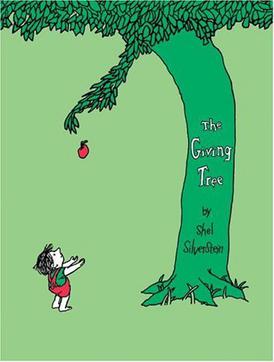
Arborele care dăruieşte (The Giving Tree)


Se spune că a existat odată un arbore bătrân şi maiestuos, cu ramurile întinse spre cer. Când înflorea, fluturi de toate
formele şi culorile veneau de pretutindeni şi dansau în jurul lui. Când făcea fructe, păsări din ţări îndepărtate veneau să
guste din ele. Ramurile sale arătau ca nişte braţe vânjoase. Era minunat.
Un băieţel obişnuia să vină şi să se joace sub el în fiecare zi, iar copacul s-a obişnuit cu el şi a început să-l iubească. Ceea
ce este mare şi bătrân se poate îndrăgosti de ceea ce este mic şi tânăr, cu condiţia să nu fie ataşat de ideea că el este mare,
iar celălalt mic. Copacul nu avea această idee, aşa că s-a îndrăgostit de băiat.
Aşadar, copacul s-a îndrăgostit de băieţelul care venea în fiecare zi să se joace sub el. Ramurile sale erau foarte înalte, dar
el şi le apleca, pentru ca băiatul să le poată atinge pentru a-i mângâia florile şi pentru a-i culege fructele.
Aşadar, ori de câte ori venea copilul, arborele îşi pleca ramurile. Când micuţul îi mângâia florile, bătrânul copac se simţea
cuprins de un val incredibil de fericire.
Băiatul a crescut. Uneori, dormea în poala copacului, alteori îi mânca fructele, sau purta o coroană împletită din florile
sale. Se simţea atunci de parcă ar fi fost regele junglei.
Văzând cum băiatul poartă o cunună din florile sale, dansând cu ea, copacul se simţea fericit. Îl aproba cu ramurile sale;
cânta în bătaia vântului. Băiatul a crescut şi mai mult. A început să se caţere în copac, legănându-se pe ramurile sale. Ori
de câte ori se odihnea pe ele, copacul se simţea fericit.
Timpul a trecut, iar băiatul a început să fie apăsat de alte îndatoriri. Avea ambiţiile lui. Trebuia să îşi treacă examenele, să
îşi facă prieteni… De aceea, a început să vină din ce în ce mai rar pe la copac. Acesta îl aştepta însă cu o nerăbdare din ce
în ce mai mare, strigându-i din adâncurile sufletului său: „Vino, vino. Te aştept”.
Când băiatul nu venea, copacul se simţea trist.
Băiatul a crescut şi mai mult, iar zilele în care trecea pe la copac au devenit din ce în ce mai rare. Toţi cei care cresc în
lumea ambiţiilor îşi găsesc din ce în ce mai puţin timp pentru iubire. Băiatul a devenit ambiţios şi prins în afacerile sale
lumeşti. „Ce copac? De ce ar trebui să-l vizitez?”
Într-o zi, pe când trecea prin apropiere, copacul i-a strigat: „Ascultă! Te aştept în fiecare zi, dar tu nu mai vii pe la mine”.
Băiatul i-a răspuns: „Ce poţi să-mi oferi, ca să trec să te văd? Eu îmi doresc bani”.
Uimit, copacul i-a spus băiatului: „Nu vei mai veni decât dacă îţi voi oferi ceva? Îţi ofer tot ceea ce am”.
„Din păcate, nu am bani. Aceasta este o invenţie a oamenilor. Noi, copacii, nu avem bani. În schimb, suntem fericiţi.
Crengile noastre se umplu de flori, apoi de fructe. Umbra noastră îi răcoreşte pe cei încălziţi. Când bate vântul, dansăm şi
cântăm. Deşi nu avem bani, păsărelele se cuibăresc pe ramurile noastre şi ciripesc vesele. Dacă ne-am implica şi noi în
afaceri financiare, am deveni la fel de înrăiţi şi de nefericiţi ca voi, oamenii, care sunteţi nevoiţi să staţi prin temple şi să
ascultaţi predici despre iubire şi despre pace. Noi nu avem nevoie de predici, căci trăim tot timpul aceste stări. Nu, noi nu
avem nevoie de bani”.
Băiatul i-a spus: Atunci, de ce să vin la tine? Nu am de gând să merg decât acolo unde pot obţine bani. Am nevoie de
bani”.
Copacul s-a gândit mult, după care a spus: „Atunci, culege-mi fructele şi vinde-le. În felul acesta, vei obţine bani”.
Băiatul s-a luminat imediat la faţă. S-a urcat în copac şi a cules toate fructele copacului, chiar şi pe cele necoapte. În graba
sa, i-a rupt crengile şi i-a scuturat frunzele, dar copacul s-a simţit din nou fericit.
Băiatul nu şi-a dat nici măcar osteneala să-i mulţumească arborelui, dar acestuia nu-i păsa. Adevărata sa mulţumire s-a
produs atunci când acesta a acceptat oferta sa de a-i culege fructele, pentru a obţine bani în schimbul lor.
Băiatul nu s-a mai întors multă vreme. Acum avea bani şi era foarte ocupat să obţină cu ajutorul lor încă şi mai mulţi bani.
A uitat cu totul de copac, şi astfel au trecut anii.
Copacul era trist. Tânjea după întoarcerea băiatului, la fel ca o mamă cu sânii plini de lapte, dar care şi-a pierdut copilul.
Întreaga sa fiinţă tânjeşte după copilul pierdut, pentru a-l strânge la piept şi a se uşura. Cam la fel tânjea şi copacul nostru.
Întreaga sa fiinţă era în agonie.
După mulţi ani, băiatul, devenit între timp adult, s-a întors la copac.
Acesta i-a spus: „Vino la mine. Vino şi îmbrăţişează-mă”.
Bărbatul i-a răspuns: „Termină cu prostiile. Făceam asemenea lucruri pe vremea când eram un copil fără minte”.
Copacul a insistat: „Vino, mângâie-mi crengile. Dansează cu mine”.
Bărbatul i-a răspuns: „Termină cu flecăreala asta stupidă! Acum doresc să-mi construiesc o casă. Îmi poţi oferi o casă?”
Copacul a exclamat: „O casă? Bine, dar eu trăiesc fără să stau într-o casă”.
Singurii care trăiesc în case sunt oamenii. Toate celelalte creaturi trăiesc liber, în natură. Cât despre oameni, cu cât casa în
care trăiesc este mai mare, cu atât mai mici par în interiorul ei.
„Noi nu trăim în case, dar uite ce îţi propun: îmi poţi tăia crengile, pentru a-ţi construi o casă cu ajutorul lor”.
Fără să mai piardă timpul, bărbatul a luat un topor şi i-a tăiat crengile copacului. Din acesta a rămas acum doar trunchiul,
dar el era foarte fericit.
Bărbatul a plecat, fără să-şi mai dea osteneala să arunce în urmă măcar o privire. Şi-a construit casa visată, iar anii au
trecut din nou.
Copacul, devenit acum un simplu trunchi fără crengi, a continuat să-l aştepte. Ar fi vrut să îl strige, dar nu mai avea ramuri
şi frunze care să poată cânta în bătaia vântului. Vânturile continuau să bată, dar el nu mai putea scoate nici un sunet. Cu
un efort suprem, sufletul său a reuşit să rostească o ultimă chemare: „Vino, vino, iubitul meu”.
Timpul a trecut, iar bărbatul a îmbătrânit. Odată, se afla prin apropiere, aşa că a venit şi s-a aşezat sub copac. Acesta l-a
întrebat: „Ce mai pot face pentru tine? Ai venit după foarte, foarte mult timp”.
Bătrânul i-a răspuns: „Ce poţi face pentru mine? Aş vrea să ajung într-o ţară îndepărtată, să câştig şi mai mulţi bani.
Pentru asta, am nevoie de o barcă”.
Fericit, copacul i-a spus: „Taie-mi trunchiul şi fă-ţi o barcă din el. Aş fi extrem de fericit să devin barca ta şi să te ajut să
mergi astfel în ţara aceea îndepărtată, pentru a câştiga mai mulţi bani. Dar, te rog, ai grijă de tine şi întoarce-te cât mai
repede. Voi aştepta de-a pururi întoarcerea ta”.
Omul a adus un ferăstrău, a tăiat trunchiul copacului, şi-a făcut o barcă din el şi a plecat.
Acum, din copac nu a mai rămas decât rădăcina, dar el a continuat să aştepte cu răbdare întoarcerea celui iubit.
Odată, m-am aşezat lângă ciot. Acesta mi-a şoptit: „Am un prieten care a plecat departe şi nu s-a mai întors. Mă tem să nu
se fi înecat, sau să nu se fi rătăcit. Poate că s-a pierdut în ţara aceea îndepărtată. Poate că nici măcar nu mai este în viaţă.
O, cât mi-aş dori să aflu veşti de la el! Mă apropii de sfârşitul vieţii, aşa că tot ce mi-aş mai dori ar fi să aflu veşti despre
el. Atunci aş muri liniştit. Dar ştiu că nu ar mai veni nici dacă mi-ar auzi strigătul, căci nu mai am nimic să-i ofer, iar el nu
înţelege decât acest limbaj.


de Shel Silverstein (1964)

sâmbătă, 1 mai 2010

This Is My Song

This Is My Song - Petula Clark (1967)
http://www.youtube.com

Artist: Petula Clark
Album: Ultimate Petula Clark

Un cantec scris de Charlie Chaplin in 1966 si care apare in ultimul sau film "A Countess from Hong Kong". In 1967 el devine hit-ul #1 in UK al Petulei. Un cantec superb, superb la ale carui versuri meditez de fiecare data cand il ascult sau fredonez, este unul din preferatele mele. Absolut superb!


(Lyrics)

Why is my heart so light?
Why are the stars so bright?
Why is the sky so blue
Since the hour I met you?

Flowers are smiling bright,
Smiling for our delight,
Smiling so tenderly
For all the world, you and me

(Bridge)
I know why the world is smiling,
Smiling so tenderly
It hears the same old story
Through all eternity

Love, this is my song
Here is a song, a serenade to you
The world cannot be wrong
If in this world, there is you

(Chorus x2) - INSTRUMENTAL INTERLUDE

I care not what the world may say
Without your love, there is no day
So, love, this is my song
Here is a song, a serenade to you

I care not what the world may say
Without your love, there is no day
So, love, this is my song
Here is a song, a serenade to you

duminică, 4 aprilie 2010

Povestea ochilor

A fost odata o oarba care se ura pe ea insasi din cauza ca era oarba. Ea ura pe toata lumea, cu exceptia prietenului ei iubitor. El era intotdeauna gata sa o ajute.

Intr-o zi ea i-a spus lui: "Daca as putea sa vad lumea, eu m-as casatori cu tine..."

Intr-o zi cineva i-a donat pentru transplant ochi. Cand bandajele au fost luate, ea a putut sa vada totul, inclusiv pe prietenul ei.

El a intrebat-o: "Acuma ca tu poti vedea lumea, te casatoresti cu mine?"

Fata s-a uitat la el si a vazut ca el este orb. Numai vazand ochii lui inchisi a fost socata. Ea nu se astepta la asta. Gandul ca trebuie sa se uite la ochii lui inchisi toata viata ei a facut-o sa-l refuze.

Prietenul ei a plecat si a doua zi i-a scris un biletel spunand: "Sa ai grija de ochii tai, draga mea, pentru ca inainte sa fie ai tai, au fost ai mei!"

Asa este si cu mintea omeneasca care lucreaza aproape intodeauna cand starea noastra se schimba. Numai cativa dintre noi ne reamintim cum a fost inainte viata noastra, si cine a fost alaturi de noi in cele mai dureroase situatii.

Viata este un cadou!

miercuri, 3 martie 2010

Lorem ipsum - "greeking"

Lorem Ipsum (sau pe scurt lipsum) este textul standard utilizat pentru a simula casete de text şi a uşura evaluarea designului unei viitoare tipărituri sau a unui sit web

paragraful clasic
Lorem ipsum dolor sit amet, consectetur adipisicing elit, sed do eiusmod tempor incididunt ut labore et dolore magna aliqua. Ut enim ad minim veniam, quis nostrud exercitation ullamco laboris nisi ut aliquip ex ea commodo consequat. Duis aute irure dolor in reprehenderit in voluptate velit esse cillum dolore eu fugiat nulla pariatur. Excepteur sint occaecat cupidatat non proident, sunt in culpa qui officia deserunt mollit anim id est laborum.


Lorem ipsum vim ut utroque mandamus intellegebat, ut eam omittam ancillae sadipscing, per et eius soluta veritus.


Sursa in limba engleza: http://www.lipsum.com/
Sursa in limba romana: http://ro.lipsum.com/